Pros
- Easy plug-and-play setup with included cables.
- Lightweight, portable design that suits travel and room-to-room use.
- Sharp 1080p IPS image with useful brightness for everyday work.
- Flexible mirror, extension, and rotation modes.
The KEFEYA S1 fits buyers who want a laptop to behave more like a compact workstation without carrying a full monitor. The appeal is straightforward: a 14-inch FHD IPS dual-screen setup, plug-and-play cabling, and broad device support for Windows, Mac, Android, Switch, and PS5. The trade-off is just as clear: this is about adding screen space and workflow comfort, not chasing gaming-grade speed or a minimalist one-cable setup in every case.
Buy it if your day is built around email, documents, browser tabs, calls, trading, or travel work and you want a second screen that folds into a mobile routine. Skip it if you need the cleanest possible desk setup, if your laptop cannot supply the right power path, or if you want a display that behaves like a full-size desktop monitor. The S1 makes the most sense when portability and multitasking matter more than perfection in color matching or gaming use.
| Screen Size | 14 Inches |
|---|---|
| Resolution | FHD 1080p |
| Refresh Rate | 60Hz |
| Aspect Ratio | 16:9 |
| Display Technology | IPS |
| Brightness | 300 candela |
The S1 ships with the cables needed for USB-C, USB-A, and HDMI use, and the design is built around quick attachment rather than software setup.
That matters because the best portable monitor is the one you actually use every day, not the one that adds a setup ritual. The practical caveat is power management: HDMI adds another cable for power, so the cleanest experience depends on the laptop’s port support.
The main display is a 14-inch 1920 x 1080 IPS panel with 60Hz refresh, 300-nit brightness, and 72% NTSC color coverage.
That combination favors readable office work, travel productivity, and casual media more than color-sensitive creative work or gaming bragging rights. In practice, it gives you a second screen that feels useful immediately without demanding a desk-sized footprint.
Mirror mode, extension mode, and 180-degree rotation make the extender fit different work styles, from side-by-side documents to portrait reading.
That flexibility matters for buyers who split time between spreadsheets, PDFs, chat windows, and presentation work. The trade-off is that the more you value perfect alignment and a fixed desktop feel, the more you will notice that this is still a portable accessory rather than a permanent monitor replacement.
On a travel desk or kitchen table, the S1’s main job is to stop the constant tab-switching that slows down laptop work. A 14-inch 1080p panel gives a usable amount of space for documents on one side and mail or chat on the other, and the 16:9 format keeps the layout familiar. At this size and resolution, the screen density works out to roughly 158 pixels per inch, which is a comfortable middle ground for reading and general office use without making the extender feel oversized.
The setup story is where the product earns a lot of its appeal. The included USB-C, USB-C to USB-A, and HDMI cables cover the common connection paths, and the plug-and-play approach keeps the first session from turning into a driver hunt. The one real catch is power: HDMI use adds an extra power connection, so the neatest experience comes from a laptop with the right USB-C support. That trade-off matters because the whole point of a screen extender is reducing friction, not adding a cable puzzle.
For long workdays, the practical question is whether the display stays pleasant enough to keep open beside the main laptop screen. The confirmed 300-nit brightness, 72% NTSC color gamut, and matte IPS surface point to a panel aimed at everyday clarity rather than color-critical work. That matches the recurring theme here: crisp enough for productivity, flexible enough for portrait or landscape use, and portable enough to move between rooms or trips. If your priority is exact color matching or a gaming-first panel, this is the wrong route; if your priority is a fast, mobile second screen, it lands in the right lane.
Community
The pattern is easy to read: people are won over by the quick setup, the sharp and bright display, and the way the extra screen changes daily multitasking. The main disappointment shows up when power or fit gets awkward, especially if the laptop setup is not friendly to the extender’s cable and support needs. The practical lesson is that this is a strong mobility-first add-on, but it rewards buyers whose laptops already play nicely with USB-C and external display use.
I’ve been using this single screen extender for my laptop for a while now, and I honestly really like it. It’s super lightweight, easy to carry around, and it doesn’t make my laptop feel bulky.
This KEFEYA screen extender has completely transformed my workflow. I hooked it up via USB-C, and it fired right up without me needing to download any clunky drivers or software.
This KEFEYA screen extender is easy to set up and works perfectly. The picture quality is clear and bright, and it makes working and multitasking so much easier.
Out of the box, it’s a very easy setup if you have a fully powered USB-C port on your laptop. If you don’t, the extra cables and power needs become part of the experience.
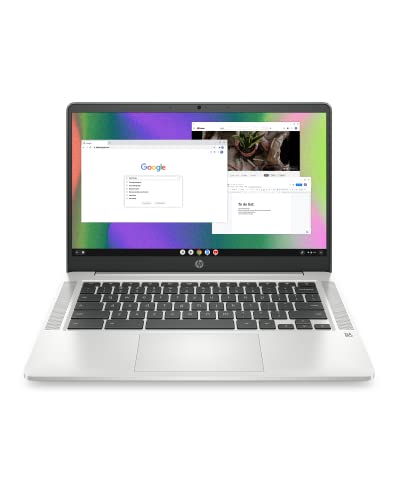
Compared with a basic single-screen laptop like the HP 14" HD Chromebook or the HP 14a-na0226nr, the KEFEYA S1 is the better choice when your real problem is screen space, not replacing the laptop itself. Those HP models are simpler all-in-one computers, but they do not solve the multitasking bottleneck the way a dual-screen extender does. Choose the S1 if you already like your laptop and want to expand it; choose the HP route if you want a self-contained machine with no add-on display behavior to manage.
Against a more traditional external monitor, the S1 wins on portability and workspace flexibility. A desktop monitor can be better if you want one fixed screen with no cable juggling, but the KEFEYA makes more sense when you move between home, office, hotel, and client work. It is the stronger pick for a mobile workflow, while a conventional monitor is still the cleaner answer for a permanent desk.
The KEFEYA S1 is a smart buy for anyone who wants a portable second screen that genuinely changes how a laptop feels during work. The 14-inch 1080p IPS panel, plug-and-play cable bundle, and flexible display modes make it easy to move from one task to the next, and the current offer is worth checking if that is the exact problem you are trying to solve. Skip it if you want a perfectly clean one-cable setup, if your laptop cannot supply the right USB-C power path, or if you need a display that behaves like a fixed desktop monitor. The S1 is best for mobile productivity and everyday multitasking; the clearer your laptop support, the better it fits.
Still, compare KEFEYA S1 with close alternatives if warranty, noise, real battery life, or included accessories are decisive for you.
Yes. USB-C gives the cleanest setup, while HDMI adds an extra power connection and more cable management.
It is much better suited to work, study, and multitasking than to gaming-first use.