
Screen size
Refresh rate
Quick verdict
The real question with the Samsung Odyssey G9 (G95C) is not whether a 49-inch curved gaming monitor is immersive, but whether your desk, graphics hardware, and game library can make that width useful. Its 32:9 DQHD panel, 240Hz refresh rate, 1000R curve, and AMD FreeSync Premium Pro create a clear route for high-refresh gaming and replacing two screens with one. The trade-off is equally clear: this is a large, heavy centerpiece that can overwhelm a smaller desk, complicate edge-mounted HUDs, and demand more from the rest of the setup than a conventional 34-inch ultrawide.
Buy it for competitive gaming, flight simulation, racing, or multitasking across a single uninterrupted workspace, especially if you value smooth motion and no bezel between applications. Skip it if you want a restrained office monitor, dependable color-critical display, or a screen that fits beside another monitor without redesigning the desk. The G95C is unusually compelling when its full width is the point of the purchase, but its size and reported reliability problems make it a poor impulse upgrade.
| Screen size | 49 inches |
|---|---|
| Resolution | 5,120 x 1,440 pixels |
| Panel type | VA |
| Refresh rate | 240Hz |
| Response time | 1ms (GtG) |
| Brightness | 1,000 nits |
Wide workspace without bezels
The 32:9 DQHD layout can take the place of two conventional monitors for work, browsing, and simultaneous applications.
It is most valuable when uninterrupted width matters more than a compact setup; split-screen use still gives up some of the immersion that makes the display attractive for gaming.
High-refresh motion for demanding play
A 240Hz refresh rate, 1ms GtG rating, and AMD FreeSync Premium Pro target quick games where motion clarity and adaptive synchronization matter.
The 1ms figure is tied to the monitor's Extreme mode and internal GtG conditions, so it is a performance target rather than a guarantee that every scene will look identical at every setting.
HDR and curved image intent
DisplayHDR 1000, a stated 1,000-nit peak brightness, and the VA panel are aimed at strong contrast and dramatic game scenes rather than color-critical production.
CoreSync and CoreLighting+ add ambient lighting effects, while the 1000R curve increases immersion but makes the screen's physical presence impossible to ignore.
Performance and experience
For desk work with a browser, documents, messaging, and several windows open, the G9 replaces the visual interruption of two bezels with one continuous workspace. At 5,120 x 1,440, the 32:9 layout gives room to arrange applications side by side, while the listed 109 pixels per inch keeps text substantially sharper than a basic 1080p ultrawide. Windows snapping and display management become more useful here than on a conventional single-screen setup, but the 49-inch span also means the desk and viewing distance need to be planned around the monitor rather than added to an existing arrangement.
In a fast game, the 240Hz refresh rate, 1ms GtG response claim, and FreeSync Premium Pro establish the monitor's main purpose. Supported games can use the broad field of view for a more enveloping image, and the 1000R curve brings the outer edges toward the viewer instead of leaving them distant and flat. The limitation is game support: edge-positioned HUDs and minimaps can scale awkwardly on an extreme aspect ratio, so players of older or poorly optimized titles may prefer a 21:9 ultrawide with fewer compatibility surprises.
The first setup decision is physical, not graphical. The included stand offers swivel, tilt, and height adjustment, but the screen is still unusually wide and heavy; one owner found the default position too close and preferred a monitor arm, while another described the installation as tool-free. VESA support gives the desk more flexibility, although an arm must be capable of handling a display of this class. The practical result is excellent posture potential once the placement is right, but little forgiveness if the desk is shallow or already crowded.
Pros
- 32:9 DQHD workspace can replace a multi-monitor arrangement
- 240Hz refresh rate with AMD FreeSync Premium Pro suits high-refresh gaming
- 1000R curve and HDR support create a strongly immersive image
- Height adjustment, swivel, tilt, and VESA compatibility give useful placement flexibility.
Cons
- 49-inch width and high weight can overwhelm a shallow or crowded desk
- Some games may display edge HUDs or minimaps awkwardly
- VA image behavior and HDR features are not a substitute for color-critical creator calibration
- Reports include dead pixels, flickering, black screens, and damaged deliveries.
Community
User reviews
The overall ownership picture is split. Image quality, sharpness, workspace, and immersion are the consistent reasons to want this monitor, while the size can take adjustment and some units have been associated with dead pixels, flickering, black screens, or shipping damage. The practical lesson is to treat panel condition and return convenience as part of the purchase decision, not as an afterthought.
Comparison
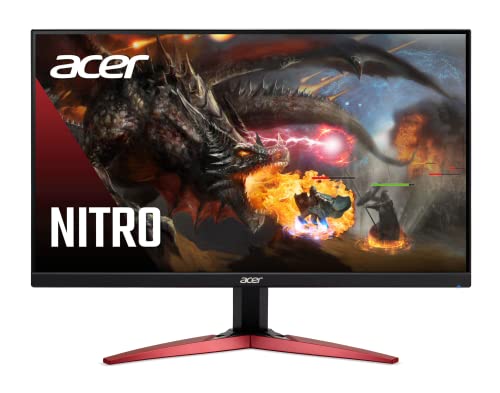
| Attribute | Samsung Odyssey G9 Current | Samsung LC34G55TWWNXZA | Samsung LS27DG302ENXZA | Acer Nitro KG241Y Sbiip |
|---|---|---|---|---|
| Price | Out of stock | - | $129.99 | $109.99 |
| Screen size | 49 inches | 34 inches | 27 inches | 23.8 inches |
| Resolution | 5,120 x 1,440 pixels | 3440 x 1440 pixels | FHD 1080p | FHD 1080p |
| Panel type | VA | VA | - | VA |
| Refresh rate | 240Hz | 165 Hz | 180 Hz | 165Hz |
| Response time | 1ms (GtG) | 1 millisecond | 1 ms MPRT | 1ms (VRB) |
| Brightness | 1,000 nits | - | 250 cd/m2 | - |
| Editorial score | 86/100 | 90/100 | 81/100 | 85/100 |
Against a 34-inch 21:9 ultrawide, the G95C is the more ambitious choice for buyers who want a single screen to replace two displays and who play titles that handle 32:9 well. The 34-inch route is easier to place, easier to pair with another screen, and less likely to make edge-based interfaces feel stretched. Choose the smaller format when desk space and broad game compatibility matter more than maximum immersion.
Against a 32-inch 4K monitor, this Samsung favors horizontal workspace and high-refresh gaming over conventional desktop proportions and higher vertical pixel density. The 4K route is more natural for compact office setups and applications designed around standard aspect ratios, while the G9 is the stronger fit for simulation, racing, expansive games, and window-heavy multitasking. The deciding factor is whether the screen's width solves a daily problem or merely makes the desk larger.
Compare with Compare this model This product stays fixed; add a recommended alternative or search another model in the category.
Compare with
Add a second model to activate the direct comparison.
Recommended models




No products match that filter combination.
Is the Samsung Odyssey G9 (G95C) monitor worth it?
The Samsung Odyssey G9 (G95C) earns its place when the goal is a single, dramatic gaming and multitasking surface rather than a normal monitor with extra width. The combination of 5,120 x 1,440 resolution, 240Hz motion, FreeSync Premium Pro, HDR, and a 1000R curve gives high-refresh players and simulation fans a distinctive route, while the broad workspace can replace a two-monitor arrangement. If the current offer places it in your premium-monitor budget, it is worth considering for that specific use.
The skip rule is straightforward. Choose a smaller 21:9 ultrawide or a conventional 4K monitor if your desk is limited, your games handle ultrawide formats poorly, or you need color-critical consistency more than immersion. Also avoid treating this as a low-risk purchase when dead pixels, flickering, black screens, and shipping damage would be especially disruptive; the G9's strengths are substantial, but they come attached to a demanding physical setup and a meaningful reliability reservation.
FAQ
Is the Odyssey G9 G95C suitable for replacing two monitors?
Yes, its 32:9 DQHD layout and Picture-by-Picture support allow broad multitasking and two-source viewing, although the physical width can make a second desk monitor difficult to position.
Does it need a large desk and careful placement?
Yes, the 49-inch curved panel is heavy and deep in visual presence, so the adjustable stand or a suitable VESA arm needs enough room to place the screen at a comfortable distance.
Review published on