How we review this category
A desktop PC should be evaluated as a complete system: configuration balance, sustained performance, airflow, noise, expandability, and desk fit matter more than a single headline spec.
In Desktop PCs, the verdict shifts most around Configuration balance, Chassis and airflow, Sustained performance and Noise and refinement.
What we review in this category
For desktop PCs we review documented evidence around configuration balance, airflow, sustained performance, noise, refinement, expandability, price, and user feedback when useful.
Configuration balance
Weight 30%. A desktop should be judged as a complete build, so CPU, GPU, RAM, storage, and platform balance matter more than a single headline component.
See technical evidence we review
Technical measures
- CPU, GPU, RAM, storage, motherboard/platform, PSU, cooling, OS, and included peripherals when relevant.
- Gaming, office, creator, mini PC, and workstation routes.
Reading context
- A desktop is read as a balanced system, not a pile of headline parts.
- GPU, CPU, RAM, storage, and PSU need to make sense together.
Common cautions
- Large RAM or storage does not compensate for a weak CPU/GPU platform.
- Unknown PSU or motherboard details limit confidence.
Chassis and airflow
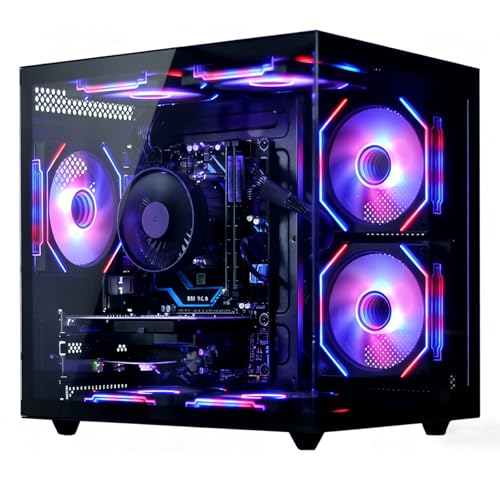
Weight 18%. Case design, cooling path, and internal space decide whether the listed parts can make sense under sustained use rather than just inside a marketing thumbnail.
See technical evidence we review
Technical measures
- Case size, airflow path, fan count, CPU cooler, GPU clearance, dust filters, vents, and front-panel layout.
- Thermal fit for the declared workload and room placement.
Reading context
- Chassis quality decides whether the configuration can breathe and stay serviceable.
- Mini PCs, towers, and gaming cases have different airflow expectations.
Common cautions
- Glass-heavy or compact designs need cooling evidence.
- A strong GPU in a weak case is treated cautiously.
Sustained performance
Weight 24%. Desktop buyers often pay for long sessions, so the verdict should reflect credible sustained load fit rather than a parts list viewed in isolation.
See technical evidence we review
Technical measures
- CPU/GPU tier, power limits, cooling type, memory configuration, SSD type, and workload route.
- Gaming, rendering, AI/light creator, office, and always-on use contexts.
Reading context
- Sustained performance depends on thermals and power delivery, not only component names.
- Dedicated GPU class and cooling matter for gaming/creator routes.
Common cautions
- Benchmark-like claims need platform and cooling context.
- Thin mini PCs and budget towers can throttle or become noisy under load.
Noise and refinement
Weight 12%. Fan noise, desk presence, and general refinement change the experience sharply for home, office, and shared-space setups.
See technical evidence we review
Technical measures
- Fan count, cooler type, acoustic claims, idle/load behavior, coil-whine reports, dust management, and build refinement.
- Living room, office desk, bedroom, and studio contexts.
Reading context
- Noise matters differently for gaming towers, office PCs, and media/living-room desktops.
- Refinement is read from cooling, build, and maintenance signals together.
Common cautions
- Silent wording without fan/cooling context is weak.
- High airflow can bring higher noise if not managed.
Expandability
Weight 16%. Upgrade room matters because desktops compete partly on lifespan, repairability, and how easily the buyer can grow the system later.
See technical evidence we review
Technical measures
- RAM slots, M.2/SATA bays, PCIe slots, PSU headroom, motherboard form factor, rear/front I/O, and warranty access.
- Upgrade path for GPU, storage, memory, networking, and peripherals.
Reading context
- A desktop has extra value when upgrades are realistic and not blocked by proprietary parts.
- Mini PCs trade expandability for size and simplicity.
Common cautions
- Proprietary PSU/case/motherboard designs limit upgrade value.
- Warranty seals or unclear internals reduce confidence.
Editorial judgement still leaves room for incomplete documentation, weak claims, or practical friction that a spec table does not fully capture.
Which buyer routes change the verdict
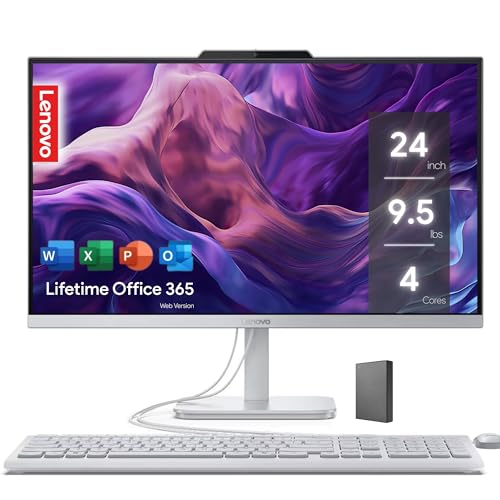
We do not score every option through one fixed lens: Compact desk PC, Mainstream tower, Gaming desktop and Workstation desktop change the priorities, so a strong recommendation for one route can be the wrong fit for another.
Signals that separate strong picks from weak ones
We pay close attention to the visible signals that usually decide the shortlist: Processor, Graphics, RAM, Storage and Form factor.
- Configuration balance: A desktop should be judged as a complete build, so CPU, GPU, RAM, storage, and platform balance matter more than a single headline component.. cpu gpu balance, ram and storage mix, buyer route fit and wasted or missing headroom
- Chassis and airflow: Case design, cooling path, and internal space decide whether the listed parts can make sense under sustained use rather than just inside a marketing thumbnail.. case size, airflow or fan layout, cooling clues and component realism
- Sustained performance: Desktop buyers often pay for long sessions, so the verdict should reflect credible sustained load fit rather than a parts list viewed in isolation.. workload route, cooling support, gpu or cpu ceiling and session-to-session credibility
- Noise and refinement: Fan noise, desk presence, and general refinement change the experience sharply for home, office, and shared-space setups.. noise signals, desk placement fit, rgb or case priorities and home office practicality
- Unclear evidence for the main desktop PC buying route.
The usage scenes we keep in view
We read this category through practical usage scenes such as Desk startup, Gaming or heavy load, Desk noise and Upgrade path. That context shift stops unlike products from being treated as if they solved the same problem.
How to use this page
Use the category listing to narrow the field, then open the reviews that match your route, budget, and setup constraints. A good shortlist here is not the one with the most headline specs, but the one whose trade-offs fit the way the product will actually be used.