Review Laptops Apple

Apple MacBook Neo (A18 Pro) Laptop - Review and opinions

Apple MacBook Neo (A18 Pro)
88 /100 Overall

Quick recommendation

Value for money 88/100
Ease of use 84/100
Durability 87/100
Customer reviews 94/100

Is it worth it?

The MacBook Neo is aimed squarely at students, casual home users, and first-time Mac buyers who want the Apple experience without climbing into MacBook Air pricing. Its appeal is easy to understand: a 13-inch Liquid Retina display, a light 2.71 lb aluminum body, long advertised battery life, and the kind of everyday speed that makes web work, writing, streaming, and school tasks feel effortless. The real trade-off is just as clear: this is a compact, basic-use MacBook, so limited ports and an 8GB/256GB configuration shape what kind of buyer it suits.

I’d recommend it to anyone who wants a small, polished laptop for browsing, documents, video calls, schoolwork, and media, especially if color, portability, and macOS matter as much as raw specs. I’d skip it if your routine depends on lots of wired accessories, heavy creative workloads, or roomy local storage from day one. The Neo works best when you treat it as an everyday carry machine, not a budget workstation.

Screen size 13 inches
Resolution 2408 x 1506
Processor Apple A18 Pro
RAM 8 GB unified memory
Storage 256 GB SSD
Weight 2.71 lb

Key features

Display that punches above the price

The 13-inch Liquid Retina screen pairs a 2408 x 1506 resolution with up to 500 nits brightness and support for a billion colors.

That combination matters because this is not just a cheap student panel. It gives the Neo a more refined look for text, web pages, presentations, and video, which helps it feel closer to a real MacBook than an entry-level compromise.

Portable Mac, not disposable Mac

The Neo’s 2.71 lb weight and aluminum construction make it easy to carry without feeling fragile. That balance is a big part of its appeal.

A lot of affordable laptops win on price and lose on flex, creaks, or bulk. This one keeps the everyday travel advantage while still feeling sturdy enough for commuting, classes, and moving around the house.

Everyday performance with a clear ceiling

The A18 Pro chip and 8GB unified memory are tuned for common tasks like browsing, office work, note summaries, streaming, and light multitasking.

That is the right performance profile for students and casual users, but it also defines the limit. If your laptop needs to replace a creator machine or hold a large local file library, the base memory and 256GB SSD become the real constraint before the chassis or screen do.

User experience

Open this at the start of a school or work day and the Neo’s route is obvious: quick wake-ups, light desk footprint, and a very portable chassis that does not ask much of your backpack. At 2.71 lb and 0.5 inches thick, it lands in the easy-to-carry camp, and the aluminum shell gives it the kind of rigid feel people usually expect from pricier Macs. That matters because a laptop this small can feel flimsy if the build is wrong. Here, the compact size works in its favor, though the two-port lifestyle means adapters enter the picture quickly if you use external drives, wired accessories, or multiple peripherals at once.

Once you settle into writing, browsing, and reading, the 13-inch Liquid Retina panel does a lot of the heavy lifting. The 2408 x 1506 resolution on a 13-inch screen works out to a sharp, dense image, so text should look crisp and documents avoid the cheap-budget-laptop look. This is the kind of screen that suits long stretches of notes, web research, and streaming. The keyboard and trackpad route also looks strong for daily use, with repeated praise for responsiveness and a large, precise touch surface. The catch is configuration headroom: 8GB of memory and 256GB of storage are fine for mainstream tasks, but they narrow the comfort zone if your habit is dozens of heavy browser tabs, large local photo libraries, or bigger media projects.

For calls and entertainment, the Neo covers the basics better than many low-cost laptops. A 1080p FaceTime HD camera, dual microphones, and side-firing speakers with Spatial Audio give it a credible home-study and remote-work setup. That makes a difference on Zoom, online tutoring, and casual streaming, where weak webcams and tinny speakers often expose cheaper machines. Battery life is one of the bigger reasons to choose it for campus or room-to-room use, with Apple claiming up to 16 hours and the overall pattern pointing to strong all-day endurance for light workloads. Thermal comfort also looks like part of the appeal for everyday use, but this still isn’t the right machine if your day revolves around heavy editing, large game installs, or living entirely through dongle-free connectivity.

Pros

  • Sharp 13-inch 2408 x 1506 Liquid Retina display
  • Lightweight aluminum build that feels premium for an entry-level Mac
  • Strong everyday speed for school, browsing, writing, and streaming
  • Good webcam, microphones, and speakers for calls and media.

Cons

  • Only two USB-C ports can make adapters feel mandatory
  • 8GB RAM and 256GB storage limit long-term headroom for heavier users
  • Not the right fit for demanding creator workloads or buyers who want lots of local storage.

Community

User reviews

The overall pattern is unusually consistent for a lower-priced MacBook: people buy it for school, browsing, writing, and streaming, then stay happy because it feels faster and better built than they expected. The most common disappointment is not speed but practicality, especially port limitations and the tighter base configuration.

Patrick

This is my first MacOS laptop and it immediately won me over with the smooth interface, excellent build quality, precise trackpad, and a keyboard that feels comfortable and responsive.

Keith

I bought it as a compact web machine and came away impressed by the speed, rigid aluminum chassis, good speakers, battery life, wireless performance, and low heat, though the limited ports stood out right away.

Tallen

For school work, streaming, presentations, and online tutoring, it has been much faster than my older MacBook and the battery life has been excellent.

Kate

I was worried about the phone-class chip, but for writing, email, browsing, Zoom, and streaming it has handled everything I do, even with lots of tabs open, and the lightweight body is a big plus.

Comparison

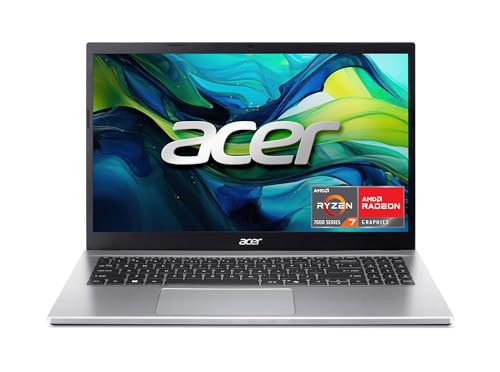
Attribute Apple MacBook Neo Current HP 255 G10 Lenovo V15 G2 ALC Acer Aspire Go 15 AI Ready
Price 589.99 USD 599.99 USD 599 USD 549.99 USD
Screen size 13 inches 15.6 inches 15.6 Inches 15.6 Inches
Resolution 2408 x 1506 1920 x 1080 pixels 1920 x 1080 pixels 1920 x 1080 pixels
Processor Apple A18 Pro - - AMD Ryzen 7 7730U
RAM 8 GB unified memory 16 GB 16 GB 16 GB
Storage 256 GB SSD 1 TB SSD 512 GB 512 GB
Editorial score 88/100 75/100 77/100 78/100

Against the Lenovo V15 G2 ALC and HP 255 G10, the Neo takes a very different route. Those Windows machines give you larger 15.6-inch 1080p displays and much more memory and storage on paper, which makes them easier picks for buyers who want a roomy desktop-style setup or keep lots of files locally. The MacBook Neo answers with a smaller, sharper screen, much lighter body, and a more premium build. Choose the Apple if portability, battery-minded everyday use, and the Mac experience matter more than raw capacity. Choose the Lenovo or HP if you want more RAM and SSD space for the money and do most of your work at a desk.

The Acer Aspire Go 15 AI Ready sits in a similar value conversation, but again the split is clear. Acer’s 15.6-inch format and Ryzen 7 route make more sense if you want a larger general-purpose Windows laptop with more expansion room in the mainstream budget class. The Neo is the better pick if you want a smaller machine that feels more refined in hand, travels more easily, and is built around simple daily tasks rather than spec-sheet one-upmanship. In other words, the Neo wins on polish and mobility, while those 15-inch Windows alternatives win on screen area and component generosity.

Conclusion and verdict

The MacBook Neo gets the important things right for its target buyer. It is light, sharp-looking, easy to carry, and fast enough to make everyday computing feel premium instead of compromised. For school, home use, writing, browsing, streaming, and video calls, it lands in a sweet spot that makes a lot of sense if you want a MacBook at a lower entry point. If the current offer keeps it well below a MacBook Air, it is one of the more appealing mainstream Apple laptop buys. Skip it if your laptop is really a hub for accessories, large files, or heavier creative work, because the two-port design and 8GB/256GB base setup define the experience more than the marketing language does. There is also a difference between being fast for normal use and being the right machine for demanding workloads. For the right buyer, though, this is a smart, focused MacBook rather than a stripped-down disappointment.

Still, compare Apple MacBook Neo (A18 Pro) with close alternatives if warranty, noise, real battery life, or included accessories are decisive for you.

FAQ

Is the MacBook Neo good for students and everyday work?

Yes. Its 13-inch size, low weight, sharp display, and strong everyday performance make it a very good fit for notes, papers, web research, video calls, and streaming.

What is the biggest drawback before buying?

Port selection and base capacity. If you rely on several wired accessories or need lots of local storage, this compact setup becomes restrictive faster than the screen or processor do.

Jake Miller

About the author

Jake Miller

As a passionate tech enthusiast, I review the latest PCs, laptops, and hardware components. With detailed tests and honest insights, I aim to help users build or buy the perfect setup for their needs.