Review Laptops Lenovo

Lenovo V15 G2 ALC Laptop - Review and opinions

Lenovo V15 G2 ALC
77 /100 Overall

Quick recommendation

Value for money 78/100
Ease of use 72/100
Durability 68/100
Customer reviews 88/100

Is it worth it?

The Lenovo V15 G2 ALC fits best for someone who wants a straightforward 15.6-inch work-and-study laptop with enough memory and storage to keep everyday apps moving without fuss. The appeal is clear enough: Ryzen 5 power, 16GB of RAM, a 512GB SSD, Windows 11 Pro, and a full-size layout with a numpad and Ethernet on board. The trade-off is just as clear, though, because the screen is the part most often called out as the weak link.

I’d put this in the “good practical buy, not a polished luxury buy” camp. Choose it if you want a budget-friendly clamshell for documents, browser work, school, light gaming, and office tasks, and skip it if display quality is a top priority or if you need a machine that feels premium everywhere. The value is in the usable core setup, not in the screen or in any sense of refinement.

Screen Size 15.6 Inches
Resolution 1920 x 1080 pixels
RAM 16 GB
Storage 512 GB
Ports 1 x USB 3.0 Type-A, 1 x USB 2.0 Type-A, 1 x USB Type-C, 1 x HDMI, 1 x RJ45, 1 x headphone/microphone combo

Key features

Everyday speed

The core setup is 16GB of RAM paired with a 512GB PCIe NVMe SSD, which is the right mix for a laptop that needs to open quickly and keep browser-heavy work from feeling crowded.

That matters because this is the part of the machine that supports the whole buying case. It gives the V15 enough headroom for office apps, school work, and casual multitasking without making the user fight constant slowdowns, while the 512GB capacity keeps storage pressure reasonable for a mainstream laptop.

Desk-ready I/O

The port selection includes USB-A, USB-C, HDMI, RJ45, and a headphone/microphone combo jack, plus a webcam and Wi-Fi.

That is a practical setup, not a flashy one. It makes the laptop easier to place in a home office, classroom, or shared desk because you can plug into a monitor, use wired internet, and connect older accessories without a pile of adapters. The trade-off is that this is utility-first connectivity, not a premium expansion story.

Work-friendly layout

The 15.6-inch 1080p display and numeric keypad shape the laptop around everyday productivity rather than ultra-portable use.

That combination is useful for anyone who spends time entering numbers, writing, or keeping multiple windows open. The screen size and resolution are familiar and workable, but the repeated display criticism means the buying win is convenience, not visual quality.

User experience

At a desk, the first thing that matters is whether the laptop gets out of the way fast enough for a normal workday. Here it does the basics well: 16GB of RAM and a 512GB NVMe SSD line up with the kind of quick wake-up, app switching, and file opening that makes a school or office machine feel responsive instead of cramped. The 15.6-inch 1080p panel gives you a familiar amount of room for documents and browser tabs, but at this size the display is more about utility than visual polish, so the screen is the main compromise in an otherwise comfortable daily setup.

For typing-heavy use, the full-size keyboard with a numpad is a real advantage if you spend time in spreadsheets, accounting work, or repeated data entry. The port mix also helps the laptop settle into a desk routine cleanly: HDMI for an external monitor, RJ45 for wired networking, and a USB-C port for newer accessories without forcing dongles into every task. That said, the layout is clearly built for function first, so anyone who wants a lighter, sleeker travel machine is paying for desk convenience they may not fully use.

Away from the desk, the battery and screen comments from buyers set the real boundary. This is the kind of laptop that can handle a commute, a classroom, or room-to-room use, but it does not read like an all-day unplugged companion, and the display is not the one to buy if you care deeply about rich color or a bright, refined image. The practical result is a simple fit rule: strong for everyday productivity and light entertainment, weaker for long mobile sessions or anyone who wants the screen to be the star.

Pros

  • Fast-feeling everyday setup with 16GB RAM and a 512GB SSD.
  • Useful port selection for monitor, wired networking, and older accessories.
  • Full-size keyboard with numpad suits office and school work.
  • Good fit for budget-minded buyers who want practical performance over premium finish.

Cons

  • The display is the most common compromise and does not read as a strength.
  • Battery life is not the kind of selling point that supports long unplugged workdays.
  • The chassis and overall feel are functional rather than premium.
  • If screen quality matters a lot, this is not the cleanest choice.

Comparison

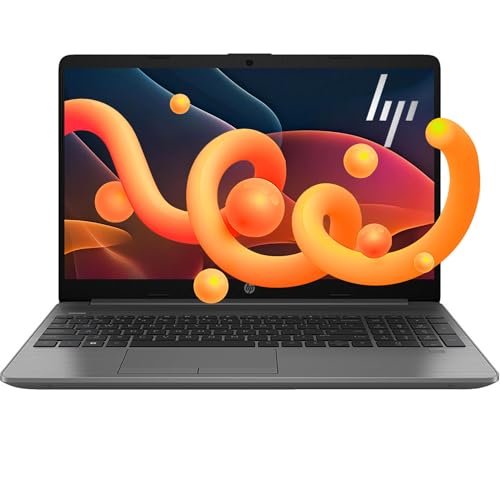
Attribute Lenovo V15 G2 ALC Current HP 255 G10 HP TPN-Q222 HP 15.6 FHD Laptop 2026 Edition
Price 599 USD 599.99 USD 619 USD 499.97 USD
Screen Size 15.6 Inches 15.6 inches 15.6 Inches 15.6 Inches
Resolution 1920 x 1080 pixels 1920 x 1080 pixels 1366 x 768 1920 x 1080 pixels
RAM 16 GB 16 GB 32 GB 16 GB DDR4
Storage 512 GB 1 TB SSD 1 TB PCIe NVMe M.2 SSD 256 GB PCIe SSD
Editorial score 77/100 75/100 73/100 76/100

Against the HP 255 G10, this Lenovo is the more balanced desk-and-study pick if you value the numpad, Ethernet, and Windows 11 Pro setup, while the HP route makes more sense if you want the simpler comparison of a 1TB SSD and a broadly similar 15.6-inch 1080p format. The Lenovo wins on practical connectivity and office friendliness; the HP leans toward storage headroom.

Compared with the msi Thin Gaming Laptop 15.6 FHD 144Hz i5-13420H RTX 3050 16GB, the Lenovo is the calmer everyday machine. The msi route is for buyers who care about gaming hardware, high refresh, and a more performance-forward identity, while this Lenovo is the better choice for school, office work, and light gaming without paying for a gaming-first chassis. If your priority is graphics horsepower, the msi is the clearer lane; if your priority is a normal laptop that still feels responsive, the Lenovo is easier to justify.

Conclusion and verdict

This is a sensible buy for someone who wants a practical 15.6-inch Windows laptop with real everyday comfort: Ryzen 5 power, 16GB of memory, 512GB of SSD storage, a numpad, and useful desk-friendly ports. If the current offer is in the budget lane, the value case is strong because the core hardware solves the daily job well without forcing you into a premium price tier. The reservation is equally simple: the screen is the weak point, and battery life does not turn it into a great unplugged companion. If you care most about display quality, long mobile use, or a more refined chassis, there are cleaner alternatives. If you care most about practical performance and a useful layout, this Lenovo is the better route.

Still, compare Lenovo V15 G2 ALC with close alternatives if warranty, noise, real battery life, or included accessories are decisive for you.

FAQ

Is this a good laptop for school and office work? Yes. The 16GB RAM, 512GB SSD, numpad, and HDMI/RJ45 ports make it a strong fit for documents, browser work, spreadsheets, and a desk setup?

Can it handle light gaming or creative apps? Yes, for lighter use. Buyers report smooth everyday performance and light gaming, but it is not the right pick for someone who wants a gaming-first machine or a standout screen.

What kind of buyer is V15 G2 ALC best for?

With AMD Ryzen 5 5500U Processor (6 Cores, 12 Threads, 8MB L3 Cache, Clock Speed:2.1GHz, up to 4.0GHz Turbo), 16 GB, 512 GB, it looks best suited to office work, web use, streaming, and other everyday tasks based on the listed specs. If you need heavier workloads, compare performance, cooling, and software requirements more closely.

Jake Miller

About the author

Jake Miller

As a passionate tech enthusiast, I review the latest PCs, laptops, and hardware components. With detailed tests and honest insights, I aim to help users build or buy the perfect setup for their needs.